

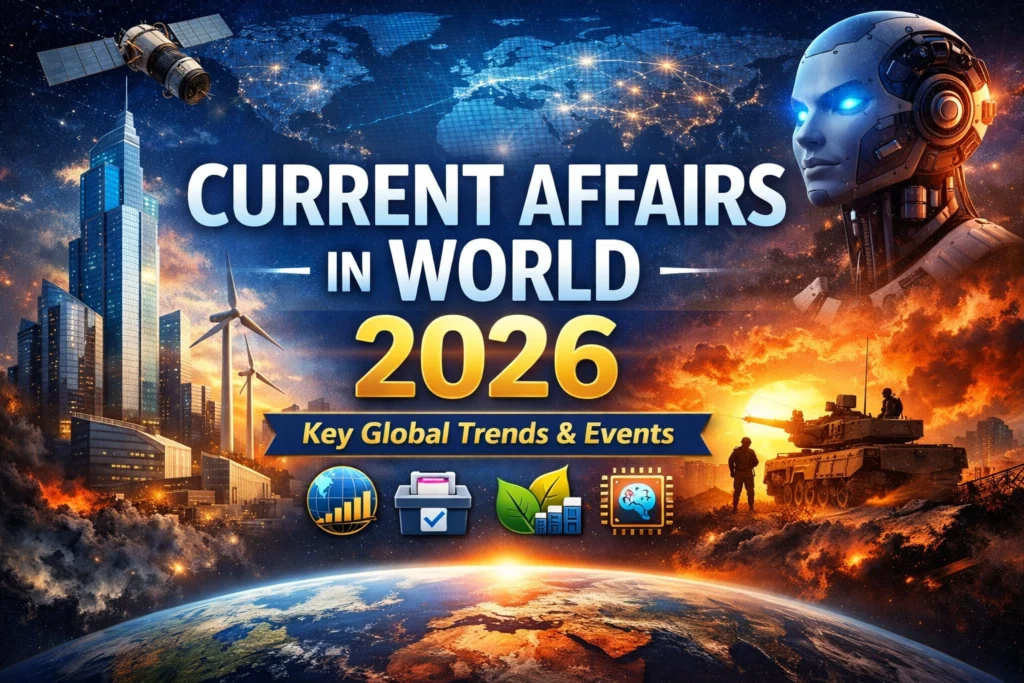
Global politics and the world economy are going through major transformations that are reshaping how countries interact, trade, and grow. From shifting alliances to rising economic uncertainty, these changes are influencing governments, businesses, and everyday people. Understanding these world affairs updates is important because they directly affect global stability, job markets, energy prices, and international relations. In this article, we break down the major political and economic shifts in a simple and structured way to help you stay informed.
Rising Geopolitical Tensions and Global Power Shifts
Changing Alliances Between Major Countries
Global alliances are becoming more flexible as countries adjust their foreign policies based on economic and security interests. Traditional partnerships are being re-evaluated, and new regional collaborations are forming. This shift in world affairs is creating a more complex global political environment where countries prioritize national interest over long-term alliances. As a result, diplomatic relationships are constantly evolving.
Increasing Focus on Regional Security
Many regions are now focusing more on strengthening their own security systems due to global uncertainty. Countries are investing heavily in defense, border protection, and cyber security. This trend reflects growing concerns about instability and conflicts in different parts of the world. Regional cooperation is also increasing as nations work together to maintain peace and economic stability.
Impact on Global Diplomatic Relations
The rise in geopolitical tensions is affecting international diplomacy. Negotiations between major powers have become more strategic and cautious. Economic sanctions, trade restrictions, and political disagreements are shaping how countries interact. These developments highlight the importance of diplomacy in maintaining balance in global politics.
Global Economic Changes and Market Instability
Inflation and Cost of Living Challenges
One of the biggest global economic shifts is rising inflation, which is increasing the cost of living in many countries. Prices of food, energy, and essential goods have become more unstable due to supply chain disruptions and global demand changes. This has put pressure on households and governments to find long-term solutions.
Fluctuations in Global Trade
International trade is experiencing significant changes due to shifting policies and economic uncertainty. Supply chains are being restructured as countries aim to reduce dependency on specific regions. These adjustments are affecting import and export markets, leading to unpredictable economic patterns across the world.
Currency Strength and Financial Stability
Currency values are constantly fluctuating due to global economic conditions. Central banks are adjusting interest rates to control inflation and stabilize financial systems. These financial movements play a crucial role in shaping global investment trends and economic confidence.
Technological and Energy Transformations in Global Politics
Growth of Digital Economies
Technology is becoming a major driver of global economic power. Countries are investing in digital infrastructure, artificial intelligence, and cybersecurity. The digital economy is reshaping traditional industries and creating new opportunities for growth and innovation across multiple sectors.
Transition to Renewable Energy Sources
Many nations are shifting toward renewable energy to reduce dependence on fossil fuels. Solar, wind, and hydro energy projects are expanding rapidly as part of global climate goals. This transition is also influencing international energy trade and long-term economic planning.
Competition for Technological Leadership
Global competition in technology is intensifying as countries aim to lead in innovation. From semiconductor production to AI development, technological leadership is becoming a key factor in geopolitical influence. This competition is shaping future economic and political power structures.
FAQs
1. What are major world affairs updates today?
They include geopolitical tensions, economic changes, and global technological shifts.
2. Why are global political changes important?
They affect international relations, trade, and global stability.
3. What is causing global economic instability?
Inflation, supply chain disruptions, and changing trade policies are key factors.
4. How does technology impact world affairs?
Technology influences economic growth, security, and global competition.
5. Why is renewable energy important in global politics?
It reduces dependency on fossil fuels and supports long-term sustainability.
Conclusion
World affairs are undergoing rapid transformation due to shifting political alliances, economic uncertainty, and technological advancement. These changes are interconnected and influence global stability, trade systems, and future development. Staying informed about these major political and economic shifts helps individuals and businesses understand global trends and prepare for future opportunities and challenges in an increasingly connected world.