

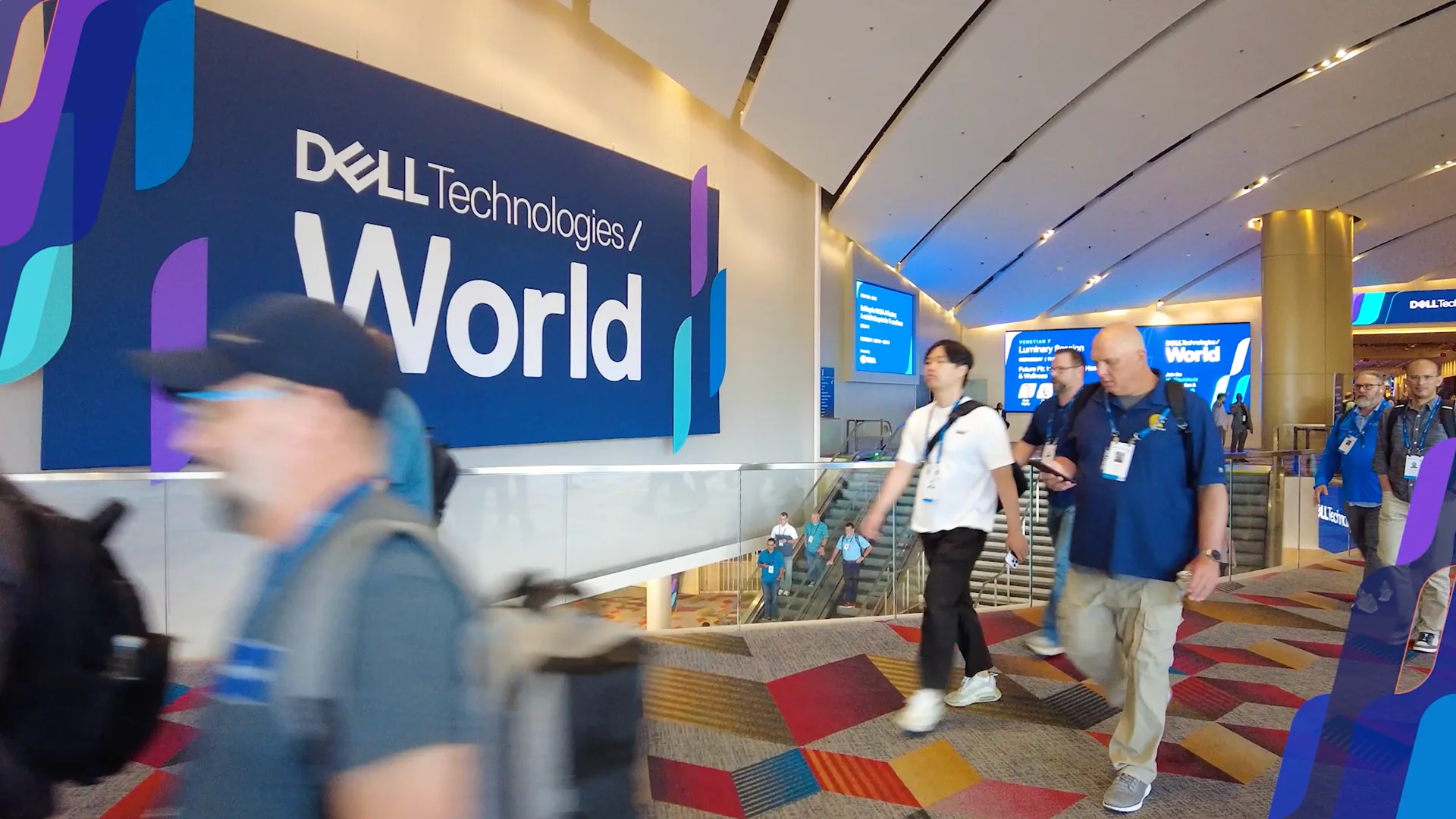
The tech world in 2026 has become more unpredictable than ever, with rapid advancements shaping industries faster than people can adapt. From artificial intelligence breakthroughs to quantum computing progress, innovation is no longer following a slow path—it is accelerating in unexpected directions. A major tech announcement in 2026 has shocked experts and sparked global discussions about the future of digital transformation, automation, and human-AI collaboration. This development is not just another upgrade in technology; it represents a shift that could redefine how businesses, governments, and individuals interact with machines in everyday life.
A Surprise Breakthrough in Artificial Intelligence
New Generation AI Models Redefining Capability
In 2026, one of the most surprising developments in the tech world is the introduction of a new generation of artificial intelligence models. These systems go far beyond traditional machine learning tools, offering near-human reasoning abilities, deeper contextual understanding, and real-time decision-making. Unlike earlier AI systems, these models can adapt dynamically to complex environments without requiring constant retraining. This advancement has created a major shift in industries such as healthcare, finance, education, and content creation. The unexpected nature of this breakthrough lies in how quickly it evolved from experimental research into practical, large-scale deployment, leaving even industry leaders unprepared for its speed and impact on the global digital ecosystem.
Impact on Jobs and Digital Economy
The rise of advanced AI systems in 2026 has significantly influenced the global job market and digital economy. Many traditional roles are being reshaped, while new AI-driven professions are emerging at a rapid pace. Businesses are increasingly relying on automation for efficiency, reducing operational costs while increasing productivity. However, this transformation has also raised concerns about job displacement and workforce adaptation. Governments and organizations are now focusing on reskilling programs to help workers transition into AI-supported roles. At the same time, the digital economy is experiencing unprecedented growth, driven by AI-powered platforms that enable faster innovation, smarter decision-making, and more personalized user experiences across industries.
Why Experts Were Not Prepared for This Shift
Even leading tech experts were surprised by the speed and scale of AI advancements in 2026. Most predictions suggested gradual improvements over several years, but the reality turned out to be far more accelerated. One key reason for this unpreparedness is the convergence of multiple technologies—machine learning, cloud computing, and neural networks—maturing simultaneously. This combination created a ripple effect that pushed AI capabilities beyond expected limits. Additionally, private research labs and tech companies began releasing highly advanced systems without extensive public forecasting, adding to the surprise. As a result, industries are now scrambling to adjust strategies in response to this rapid technological leap.
Unexpected Advances in Quantum Computing
Quantum Systems Moving Beyond Theoretical Stage
Quantum computing, once considered purely experimental, has taken a major leap in 2026 by moving closer to real-world application. The latest breakthrough announcement highlights quantum systems achieving stable performance for longer computation cycles, making them more practical for solving complex problems. This shift is significant because it transforms quantum computing from a theoretical concept into a usable technology. Industries that rely on massive data processing, such as pharmaceuticals and climate modeling, are particularly interested in its potential. The unexpected progress has caught many researchers off guard, as earlier estimates suggested such advancements would take much longer to achieve.
Real-World Applications Emerging Faster Than Expected
One of the most surprising aspects of quantum computing progress in 2026 is how quickly real-world applications are emerging. Companies are now exploring its use in optimizing supply chains, improving financial modeling, and accelerating scientific simulations. Tasks that previously required supercomputers for days can now be completed in significantly shorter timeframes. This rapid progress is reshaping expectations about computational limits and pushing industries to rethink their technology strategies. The speed of adoption is especially unexpected, as quantum computing was long considered impractical for mainstream use. Now, organizations are investing heavily in infrastructure to prepare for a quantum-powered future.
How It Changes Cybersecurity Landscape
The rise of quantum computing has also created major implications for cybersecurity. Traditional encryption methods, which protect sensitive data across the internet, are now under pressure as quantum systems demonstrate the ability to break certain cryptographic algorithms. This has led to a global push for quantum-resistant encryption technologies. Cybersecurity experts are racing to develop new security frameworks that can withstand future quantum attacks. At the same time, governments and corporations are reassessing their data protection strategies to ensure long-term safety. This unexpected shift has made cybersecurity one of the most critical focus areas in the evolving tech landscape of 2026.
The Rise of Fully Integrated Human-AI Ecosystems
Smart Devices Becoming Fully Autonomous
Another major development in 2026 is the emergence of fully autonomous smart devices that operate with minimal human input. These devices are no longer just assistants; they are becoming independent decision-makers capable of managing daily tasks, home systems, and even business operations. From smart homes adjusting energy usage automatically to wearable devices monitoring health in real time, the integration of AI is deeper than ever before. This level of autonomy is transforming convenience and efficiency in everyday life. However, it also raises questions about dependency on machines and how much control humans should retain over automated systems.
AI Integration in Daily Life Platforms
Artificial intelligence is now deeply embedded in nearly every digital platform used in daily life. Social media, banking apps, education systems, and entertainment platforms are all powered by intelligent algorithms that personalize user experiences. In 2026, this integration has become so seamless that users often interact with AI without even realizing it. The goal is to create smoother, faster, and more intuitive digital experiences. While this brings significant benefits in terms of efficiency and accessibility, it also highlights the growing influence of AI in shaping user behavior and decision-making patterns across digital ecosystems.
Concerns Around Privacy and Control
As AI becomes more integrated into everyday systems, concerns around privacy and control are increasing. Many users are questioning how much data is being collected and how it is being used to train advanced systems. The 2026 tech announcement has intensified these discussions, as more intelligent systems require larger datasets to function effectively. Regulatory bodies are now focusing on creating stricter data protection laws and transparency requirements for tech companies. Balancing innovation with privacy has become one of the biggest challenges in the modern tech era, as society tries to ensure that technological progress does not come at the cost of personal freedom.
FAQs
1. What is the biggest tech announcement in 2026?
It refers to major breakthroughs in AI, quantum computing, and integrated AI ecosystems reshaping industries globally.
2. How is AI changing the job market in 2026?
AI is automating tasks, creating new digital jobs, and increasing demand for tech-related skills.
3. Is quantum computing now practical?
Yes, recent advancements have moved it closer to real-world applications in industries like finance and science.
4. What are the risks of advanced AI systems?
Main risks include job displacement, privacy concerns, and over-dependence on automated systems.
5. How does this tech shift affect everyday users?
Users experience smarter devices, personalized platforms, and faster digital services, but also face privacy concerns.
Conclusion
The unexpected tech announcement of 2026 marks a turning point in digital history, driven by breakthroughs in artificial intelligence, quantum computing, and fully integrated AI ecosystems. While these advancements bring powerful opportunities for innovation, efficiency, and growth, they also introduce new challenges around privacy, security, and employment. The future of technology is evolving faster than ever, and adapting to these changes is essential for individuals and businesses alike.